
When winter ends and temperatures begin to rise, Winter Maintenance becomes critical for garage door systems across Central Arkansas homes. Cold weather, moisture, and freezing cycles can silently damage springs, rollers, cables, and seals.
A post-winter inspection helps prevent unexpected breakdowns, improves safety, and extends the lifespan of your system. Below is a technician-informed checklist used by professional garage door service teams.
Why Post-Winter Maintenance Matters
Garage doors are high-tension mechanical systems that operate daily under load. Without proper Winter Maintenance, small seasonal issues can quickly turn into expensive repairs.
Regular seasonal maintenance helps:
- Prevent costly spring and cable failures
- Reduce strain on opener motors
- Improve daily operation and noise levels
- Maintain home security and insulation performance
- Extend the life of hardware and moving components
10 Winter Maintenance Garage Door Tips
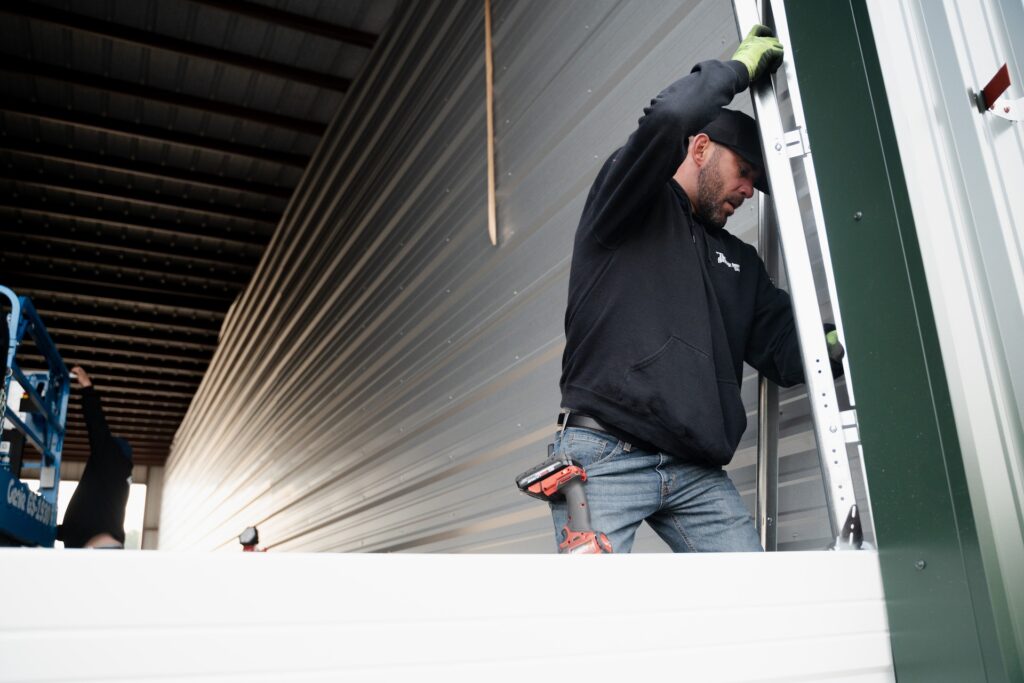
1. Perform a Full Sensory Inspection (Sound + Movement Check)
Start your Winter Maintenance by operating the door normally and observing performance.
Watch and listen for:
- Grinding or scraping (often track or roller friction)
- Squeaking (dry hinges or rollers)
- Jerky movement (balance or spring tension issues)
- Delayed response from the opener
Also, visually inspect:
- Cable alignment along both sides
- Roller tracking inside the rails
- Spring condition for rust, gaps, or deformation
If anything looks or sounds unusual, stop use and consult a professional. Garage doors operate under high tension and should not be disassembled without proper tools and training.
2. Clean the Garage Door Tracks (Do Not Lubricate)
Winter debris, dirt, and hardened residue can accumulate in the tracks and restrict roller movement.
Use a dry or slightly damp cloth to:
- Remove dirt buildup
- Clear hardened debris from corners
- Inspect for dents or warping
Avoid applying lubricant to tracks, as it can attract more debris and worsen long-term buildup.
3. Lubricate All Moving Hardware Properly
Proper Winter Maintenance includes reducing friction on moving components.
Apply a manufacturer-approved lubricant to:
- Hinges
- Rollers (nylon or steel)
- Springs (light coating only)
Recommended products include silicone-based spray or lithium grease.
Avoid heavy petroleum-based sprays that can attract dust and degrade performance over time.
4. Inspect and Replace Weather Seals
Bottom and side seals protect your garage from water intrusion, pests, and air leakage.
Check for:
- Cracks or brittleness
- Gaps when the door is fully closed
- Flattened or missing sections
Damaged seals should be replaced promptly to maintain insulation and prevent moisture damage to flooring and stored items.
5. Test Garage Door Balance
A properly balanced door reduces strain on the opener and improves safety.
To test:
- Disconnect the automatic opener
- Manually lift the door halfway
- Slowly release it
It should remain in place with minimal movement.
6. Inspect Cables, Springs, and High-Tension Hardware
Cables and springs carry the majority of your garage door’s weight and are the most failure-prone components after winter.
Look for:
- Fraying cables
- Rust buildup on springs
- Gaps or uneven coil spacing
- Visible wear at connection points
Do not attempt repairs on these components. Incorrect handling can result in serious injury.
7. Tighten All Hardware and Mounting Brackets
Daily use causes vibration that gradually loosens bolts, hinges, and track brackets.
Check and tighten:
- Roller brackets
- Track fasteners
- Hinge bolts
- Opener mounting hardware
This helps prevent misalignment and reduces operational noise.
8. Test Garage Door Opener and Remote Systems
Cold temperatures can affect:
- Motor performance
- Remote batteries
- Safety sensors
Verify that:
- The door responds consistently
- Remote range is normal
- The wall button operates smoothly
Replace batteries and realign sensors if needed.
9. Check Auto-Reverse Safety System
This is a critical safety feature designed to prevent injury or property damage.
Test it by placing a small object (like a block of wood) under the door and closing it. The door should immediately reverse upon contact.
If it fails this test, stop using the system until it is professionally inspected.
10. Inspect for Rust, Moisture Damage, and Surface Wear
Seasonal changes in moisture and humidity can accelerate corrosion of metal components.
Check for:
- Rust spots on panels or hardware
- Peeling paint
- Water intrusion near the bottom seal
- Early signs of panel deterioration
Small rust areas can sometimes be treated early, but widespread corrosion may require component replacement.
Safety Note: Garage Door Balance Warning
Noticing that your garage door is off-balance is usually pretty simple. It is as easy as noticing that the garage door doesn’t stay in place whenever it is moving or whenever it is open. We do not suggest fixing the balance on your own. A garage door, depending on the material it is made out of, can weigh anywhere from 80 to 800 pounds and can be incredibly dangerous to service on your own. The Garage Door Guys of Central Arkansas are properly trained to come out and take care of the dangerous jobs for you.
When to Call a Professional
If you notice:
- Uneven door movement
- Loud grinding or snapping sounds
- Frayed cables or spring issues
- A door that won’t stay balanced
- Sensor or opener failure
It’s best to schedule a professional inspection rather than risk further damage or injury.
FAQ
What is included in Winter Maintenance for garage doors?
Winter Maintenance includes inspecting springs, cables, rollers, tracks, weather seals, opener systems, and safety sensors to ensure proper operation after cold weather exposure.
How often should Winter Maintenance be done?
It should be done at least once a year, ideally at the end of winter or the beginning of spring, to prevent seasonal damage from worsening.
Can I do Winter Maintenance myself?
You can handle basic tasks like cleaning tracks and checking seals, but high-tension components like springs and cables should always be handled by professionals.
Why is my garage door louder after winter?
Cold weather causes metal contraction and lubricant thickening, which increases friction in rollers, hinges, and springs.
What is the most important Winter Maintenance task?
Checking the balance and inspecting springs/cables is the most critical step because these components directly affect safety and door stability.